Non-Stimulant Fat Burners: Science, Mechanisms & When They Actually Work
A data-driven analysis of stimulant-free fat burners, their biological mechanisms, and how they compare to traditional thermogenic formulas.
Non-stimulant fat burners are often positioned as a “gentler” alternative to traditional thermogenics. But the reality is more nuanced: these formulas rely on metabolic, hormonal, and cellular pathways rather than central nervous system stimulation.
Understanding how they work requires looking beyond marketing claims and into clinical evidence and regulatory context.
What Science Says About Fat Burners
According to the NIH Office of Dietary Supplements , weight-loss supplements may act through multiple mechanisms, including:
- Increasing energy expenditure
- Reducing appetite
- Altering fat absorption or metabolism
However, the NIH also emphasizes that evidence for many ingredients remains limited or inconsistent, reinforcing the importance of formulation quality and user context.
From a regulatory standpoint, the U.S. Food and Drug Administration (FDA) does not approve dietary supplements for effectiveness before they reach the market.
How Non-Stimulant Fat Burners Actually Work
| Mechanism | Scientific Insight | Practical Impact |
|---|---|---|
| Metabolic Optimization | Supports mitochondrial efficiency and fat oxidation | More efficient energy utilization |
| Appetite Regulation | Influences satiety signaling pathways | Reduced caloric intake over time |
| Insulin Sensitivity | Helps regulate glucose metabolism | Lower fat storage potential |
| Inflammation Modulation | Targets low-grade metabolic inflammation | Improved metabolic efficiency |
A review published in PubMed Central highlights that certain fat-loss ingredients may influence lipolysis and energy metabolism, although real-world outcomes vary significantly.
Non-Stimulant vs Stimulant Fat Burners
| Factor | Non-Stimulant | Stimulant-Based |
|---|---|---|
| Primary Action | Metabolic support | Thermogenesis via CNS stimulation |
| Onset | Gradual | Immediate |
| Side Effects | Typically lower | May include insomnia, jitteriness |
| Best Use | Long-term optimization | Short-term performance boost |
Stimulant-based formulas often rely on compounds like caffeine, which have been shown to increase energy expenditure and fat oxidation, but may also lead to side effects in sensitive individuals.
Examples of Non-Stimulant Strategies
Modern formulations focus on metabolic efficiency rather than stimulation:
- Mitolyn – mitochondrial and metabolic support
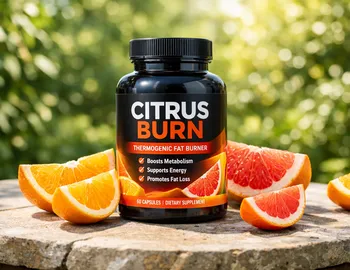
- Citrus Burn – appetite and metabolic balance
Safety & Evidence-Based Perspective
The NIH Office of Dietary Supplements (Weight Loss Consumer Fact Sheet) states that many weight-loss supplements:
- Have limited high-quality clinical evidence
- Show variable effectiveness between individuals
- Should be used alongside diet and lifestyle interventions
Final Analysis
Non-stimulant fat burners represent a more controlled and sustainable approach to fat loss, focusing on underlying metabolic processes rather than acute stimulation.
While they may not deliver immediate effects, they can play a strategic role in long-term body composition management.
Ultimately, the most effective strategy is not choosing one category over another, but understanding how each fits into a structured, evidence-based fat-loss plan.
Editorial Note: Some links on this page may earn us a commission at no extra cost to you.
Our reviews remain independent and evidence-based.