Why Caffeine-Free Fat Burners Surged in 2025–2026 (And What “Non-Stimulant” Really Means)
A science-forward, compliance-first analysis of the shift away from stimulant-heavy thermogenics toward “daily-use” metabolic support—without hype, miracle claims, or legal overreach.
1) The end of the “stimulant-only” era
For years, the fat burner market leaned on a simple formula: stimulation = results. Many products emphasized caffeine (and sometimes other stimulants) to create a fast “felt effect” (energy, appetite blunting, heat). The downside is that stimulation is not the same as sustainable metabolic change—especially for users who are sensitive to anxiety, sleep disruption, palpitations, or blood pressure changes.
What research suggests (buyer-safe)
Caffeine can influence stress physiology (including cortisol response) and its effects may not fully disappear with habitual intake. Evidence includes controlled work on caffeine and cortisol secretion. (See: PMC2257922)
What we will not claim
We do not claim “stimulants are bad” for everyone. Safety depends on dose, health status, and context. Large reviews often reference that up to ~400 mg/day caffeine in healthy adults is generally not associated with overt adverse effects. (See: ScienceDirect review)
2) What changed in 2025–2026?
The surge in caffeine-free (“non-stimulant”) fat burners lines up with a broader consumer trend: people increasingly want daily-use support that doesn’t compromise sleep, heart comfort, or stress resilience. Two real-world forces helped accelerate this shift:
Wearables made “recovery” visible
HRV (heart rate variability) and sleep metrics from wearables became mainstream. Research explores HRV captured during sleep as a scalable marker associated with day-to-day recovery and perceived fitness. (See: PMC10195711)
More caution around “cardio feel” products
Even though energy drinks are not the same as supplements, reviews show stimulant beverages can raise heart rate and blood pressure in study settings. This amplified consumer caution around “wired” formulations. (See: PMC12618331)
Use the shop to compare positioning and label claims across verified listings—without relying on hype.
3) How caffeine-free fat burners are usually positioned
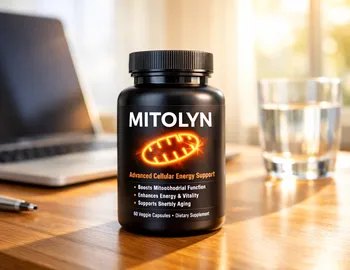
Most caffeine-free formulas are not trying to “force” fat loss overnight. Their marketing generally frames them around metabolic support—often emphasizing cellular energy pathways, glucose handling, or inflammation-related narratives. This is where mitochondria-focused positioning became popular: mitochondria are central to energy metabolism, and mitochondrial biology shows up across modern metabolic disease discussions. (See: PMC11600307)
What you can evaluate (without overclaiming)
Buyer tip: compare label claims and choose based on tolerance, schedule, and your “sleep + recovery” priorities—not just marketing intensity.
4) Stimulant vs. non-stimulant: a category-level comparison
| Dimension | Stimulant-leaning formulations | Caffeine-free / non-stimulant positioning |
|---|---|---|
| User experience | Often “felt” quickly (energy/drive) | Often subtler; designed for consistency |
| Sleep & stress fit | May disrupt sleep or amplify stress response in sensitive users; caffeine can influence cortisol response. (See: PMC2257922) | Typically preferred by users prioritizing sleep/recovery metrics |
| Cardio comfort | Can feel “stimulating” (individual tolerance varies) | Often marketed as “gentler,” but still requires label-based safety review |
| Best-fit audience | Those who tolerate stimulants well and are not sleep-sensitive | Those who want a daily-use approach with less acute stimulation |
5) Safety notes (what responsible brands/users consider)
If you’re stimulant-sensitive
Avoid “stacking” multiple sources of caffeine (coffee + pre-workout + fat burner). Consider caffeine-free options if sleep or anxiety is a recurring issue. Remember: up to ~400 mg/day is often referenced as a general safety threshold for healthy adults, but individual response varies. (See: ScienceDirect review)
If you have cardiovascular concerns
If you have hypertension, arrhythmia history, or are on medications, consult a clinician before using stimulant-leaning products. Reviews of stimulant beverages show measurable increases in HR and blood pressure in study settings. (See: PMC12618331)
Scientific references
- Caffeine stimulation of cortisol secretion (controlled study, PMC): PMC2257922
- Systematic review of potential adverse effects of caffeine; commonly cited ~400 mg/day safety framing in healthy adults: ScienceDirect review
- Energy drinks and cardiovascular effects (systematic review, PMC): PMC12618331
- Mitochondrial metabolism in disease contexts (review, PMC): PMC11600307
- Wearable-measured HRV during sleep and recovery-related outcomes (PMC): PMC10195711
Editorial Note: Some links on this page may earn us a commission at no extra cost to you.
Our reviews remain independent and evidence-based.