HOW TO LOSE WEIGHT AND FAT: A Comprehensive Scientific Guide
Introduction
Achieving real, sustainable weight and fat loss requires far more than simply eating less. The most critical — and often ignored — step is understanding why weight and fat gain occur in the first place. Without this foundation, most approaches fail, leading to frustration, rebound weight gain, and metabolic slowdown.
Before making any significant dietary or supplementation changes, it is strongly recommended to consult a qualified healthcare professional. Once a solid lifestyle foundation is established — balanced nutrition, regular physical activity, and adequate recovery — targeted supplementation may be considered as a supportive tool, not a standalone solution.
This guide breaks down the physiology of fat metabolism, highlights evidence-based strategies for improving metabolic efficiency, and explains how modern metabolic-support compounds can assist individuals who struggle to lose fat despite consistent effort.
The Science of Fat Metabolism: Why Some People Lose Fat Faster
Body fat functions as a long-term energy reserve. When caloric intake consistently exceeds energy expenditure, excess energy is converted into triglycerides and stored in adipose tissue. During a caloric deficit, these triglycerides are broken down through lipolysis, releasing fatty acids to be used as fuel.
However, fat loss is not purely mathematical. Hormonal regulation plays a decisive role. Insulin promotes fat storage, while hormones such as glucagon, epinephrine, and norepinephrine stimulate fat mobilization. Individuals who efficiently regulate these hormonal signals typically experience faster and more sustainable fat loss.
Beyond Calories: Mitochondria, Thermogenesis, and Metabolic Efficiency
Calories matter — but how efficiently your body uses them matters even more. Mitochondria are responsible for converting stored energy into usable ATP. Higher mitochondrial density and efficiency translate directly into increased fat oxidation, even at rest.
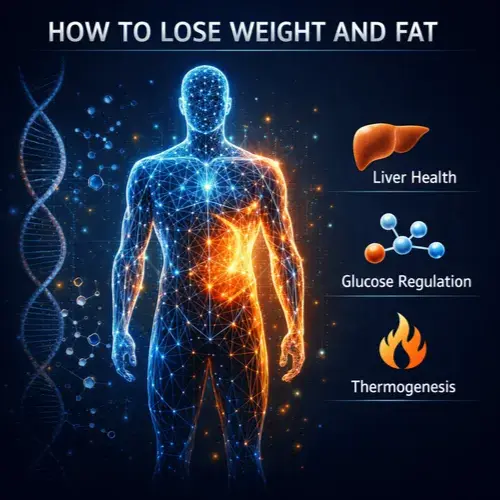
Thermogenesis further amplifies this effect by increasing energy expenditure through heat production. Modern metabolic formulations focus on enhancing these processes without excessive reliance on stimulants, which often cause unwanted side effects.
Why Traditional Fat Burners Fail for Many People
Most conventional fat burners depend heavily on high doses of caffeine or stimulant analogs. While they may temporarily increase metabolic rate, they frequently lead to:
- Energy crashes and tolerance buildup
- Sleep disruption
- Increased anxiety and heart rate
- Hormonal dysregulation over time
This has led to the emergence of pathway-targeted metabolic support — formulations designed to enhance fat oxidation, glucose utilization, and mitochondrial performance without overstimulating the nervous system.
Targeted metabolic support becomes especially valuable during caloric restriction, helping the body rely more on stored fat instead of circulating glucose.
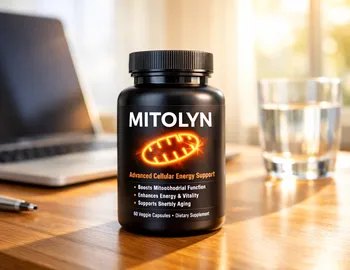
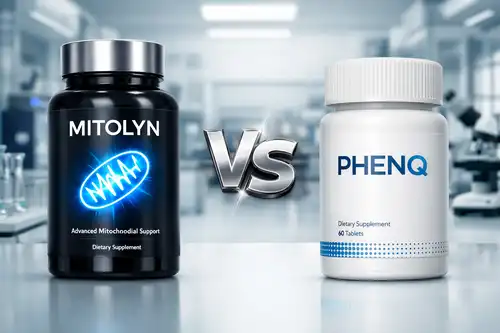
Mitolyn is formulated to support this metabolic shift by enhancing cellular energy regulation and mitochondrial signaling. Users often notice improved fat oxidation and more stable energy levels during calorie deficits.

All indexed platforms follow the CSS-2026-N1 protocol for supply chain integrity.
Key Metabolic Support Pathways Explained
The following table summarizes the primary metabolic pathways involved in advanced fat-loss formulations and how they support sustainable results:
| Component Group | Key Ingredients | Primary Mechanism of Action |
|---|---|---|
| Mitolyn (Mitochondrial Support) | PQQ, Coenzyme Q10 | Enhances mitochondrial biogenesis and cellular energy efficiency. |
| HepatoBurn (Liver Optimization) | Silymarin, Artichoke Extract | Supports hepatic fat processing and detoxification pathways. |
| CitrusBurn (Adipose Mobilization) | Synephrine, Naringin | Encourages lipolysis with minimal stimulant load. |
| Ignitra (Thermogenic Activation) | Capsaicin, Gingerol | Increases energy expenditure via non-stimulant thermogenesis. |
| Sumatra & Slin Pills (Glucose Control) | Berberine, Alpha-Lipoic Acid | Improves insulin sensitivity and reduces fat storage signaling. |
Holistic Fat Loss: Turning Biology Into Results
Supplementation works best when layered onto a disciplined lifestyle framework:
Nutrition
- Maintain a sustainable caloric deficit
- Prioritize protein intake to preserve lean mass
- Favor whole-food carbohydrate sources
- Include healthy fats for hormonal balance
Training
- Resistance training to elevate resting metabolic rate
- Strategic cardio and HIIT for fat oxidation
Lifestyle
- Consistent, high-quality sleep
- Stress reduction to control cortisol
- Mindful eating habits
Conclusion
Lasting fat loss is not about extreme restriction or stimulant overload. It is about aligning biology, metabolism, and behavior. By supporting mitochondrial health, improving metabolic flexibility, and reducing hormonal resistance to fat loss, individuals can finally break through plateaus and maintain long-term results.
Where to Secure Clinically Vetted Formulations?
To ensure access to authentic, GMP-certified formulations with validated supply chains and secure checkout infrastructure, our editorial team recommends the following verified distribution platform:
Visit BuyFatBurners.com Official PlatformVerified Secure Checkout • Direct Manufacturer Sourcing • No Marketplace Resellers
Scientific References
- [1] Chowanadisai W, et al. Pyrroloquinoline quinone stimulates mitochondrial biogenesis through cAMP response element-binding protein phosphorylation and increased PGC-1alpha expression. J Biol Chem. 2010. PubMed
- [2] Hernández-Camacho JD, et al. Coenzyme Q10 Supplementation in Aging and Disease. Front Physiol. 2018. PubMed
- [3] Loguercio C, et al. Silybin combined with phosphatidylcholine and vitamin E in patients with nonalcoholic fatty liver disease: a randomized controlled trial. Free Radic Biol Med. 2012. PubMed
- [4] Bundy R, et al. Artichoke leaf extract (Cynara scolymus) reduces plasma cholesterol in otherwise healthy hypercholesterolemic adults: a randomized, double blind placebo controlled trial. Phytomedicine. 2008. PubMed
- [5] Stohs SJ, et al. Effects of p-synephrine and p-octopamine on metabolic rate and blood pressure in healthy subjects. Phytother Res. 2011. PubMed
- [6] Alam MA, et al. Effect of citrus flavonoids, naringin and naringenin, on metabolic syndrome and their mechanisms of action. Adv Nutr. 2014. PubMed
- [7] Janssens MS, et al. Acute effects of capsaicin on energy expenditure and fat oxidation in negative energy balance. PLoS One. 2013. PubMed
- [8] Mansour MS, et al. Ginger consumption enhances the thermic effect of food and promotes feelings of satiety without affecting metabolic and hormonal parameters in overweight men: A pilot study. Metabolism. 2012. PubMed
- [9] Guo J, et al. The Effect of Berberine on Metabolic Profiles in Type 2 Diabetic Patients: A Systematic Review and Meta-Analysis of Randomized Controlled Trials. Oxid Med Cell Longev. 2021. PubMed
- [10] Albarracin CA, et al. Chromium picolinate and biotin combination improves glucose metabolism in treated, uncontrolled overweight to obese patients with type 2 diabetes. Diabetes Metab Res Rev. 2008. PubMed
Editorial Note: Some links on this page may earn us a commission at no extra cost to you.
Our reviews remain independent and evidence-based.