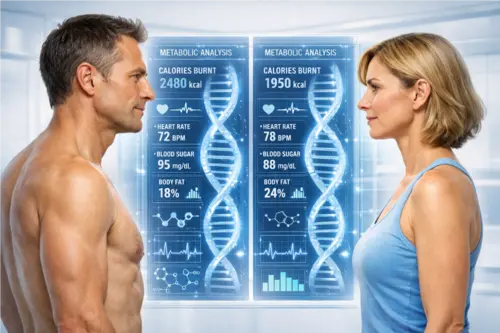

Why Some People Lose Fat Faster Than Others
It is a frustrating reality that two people can follow the exact same diet and exercise plan, yet one achieves significantly faster fat loss results than the other. This difference is not a matter of willpower but a complex interplay of genetics, biology, and lifestyle factors that influence metabolic efficiency.
1. Genetic Predisposition
Genetics play a significant, though not insurmountable, role in metabolic rate and fat storage:
- Basal Metabolic Rate (BMR): Some individuals are genetically predisposed to have a naturally higher BMR, meaning they burn more calories at rest.
- Fat Cell Density: The number and size of fat cells (adipocytes) can be genetically determined, influencing the body's capacity for fat storage.
- Hormone Receptor Sensitivity: Genetic variations can affect the sensitivity of cells to key hormones like insulin and leptin, which directly regulate hunger and fat storage signals.

All indexed platforms follow the CSS-2026-N1 protocol for supply chain integrity.
Some individuals transition into fat oxidation quickly when calories are reduced, while others remain heavily dependent on glucose for longer periods, even under identical diet and training conditions.
This is where targeted metabolic support becomes metabolically relevant.
Certain compounds are studied for their ability to support energy metabolism and improve the body’s capacity to rely less on glucose and more on stored fat — particularly during calorie deficits.
Mitolyn is formulated to support this metabolic transition by influencing pathways involved in cellular energy utilization.
This mechanism helps your body switch from glucose dependency to fat oxidation — especially noticeable during calorie deficits.
2. Body Composition and Muscle Mass
A person with a higher percentage of muscle mass will inherently have a higher BMR than a person of the same weight with a higher percentage of body fat. Muscle is metabolically active, burning more calories at rest. Therefore, individuals who have engaged in resistance training prior to starting a diet often see faster initial results.
3. Non-Exercise Activity Thermogenesis (NEAT)
NEAT—the energy expended through daily activities like fidgeting, standing, and walking—is highly variable between individuals. Some people are naturally "fidgeters" and subconsciously burn hundreds of extra calories per day without formal exercise. This difference in NEAT can account for a significant portion of the variance in weight loss success.
4. Gut Microbiome Health
The composition of the gut microbiome can influence how efficiently calories are extracted from food and how hormones that regulate appetite (like GLP-1 and PYY) are produced. A healthy, diverse gut flora is increasingly linked to better metabolic health and easier weight management.
5. Sleep and Stress Management
Chronic sleep deprivation and high stress levels elevate cortisol, a hormone that promotes fat storage and increases appetite. Individuals who consistently prioritize 7-9 hours of quality sleep and manage stress effectively create a more favorable hormonal environment for fat loss, leading to faster results.
Further Reading on Metabolic Differences
For a deeper dive into the scientific mechanisms of fat burning and reliable reviews of effective ingredients, we recommend consulting the comprehensive resources at BuyFatBurners.com. Their editorial team provides detailed analysis on the latest research.
Where to Secure Clinically Vetted Formulations?
To ensure access to authentic, GMP-certified formulations with validated supply chains and secure checkout infrastructure, our editorial team recommends the following verified distribution platform:
Visit BuyFatBurners.com Official PlatformVerified Secure Checkout • Direct Manufacturer Sourcing • No Marketplace Resellers
Editorial Note: Some links on this page may earn us a commission at no extra cost to you.
Our reviews remain independent and evidence-based.