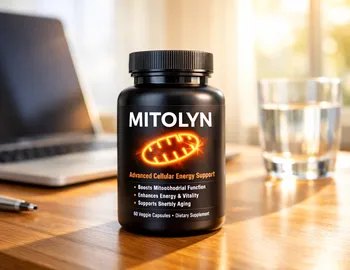

How Metabolism Works and Why It Often Feels Slower After 30
Many adults notice that body-composition progress becomes less predictable after 30. In most cases, the change is not about effort alone, but about how the body uses energy, preserves lean mass, handles recovery, and responds to modern routines over time.
This guide explains what metabolism actually does, why daily energy use often feels less forgiving with age, and how readers can think more clearly about metabolism-focused support instead of defaulting to generic weight-loss language.
Start with the right question
This is a metabolism conversation, not just a fat-loss conversation
When readers say they feel “slower,” they are usually talking about energy, appetite control, recovery, body composition, and the way results seem harder to maintain than before. That is why this article focuses on metabolic efficiency, daily energy handling, and realistic support paths rather than forcing every explanation into generic fat-burner language.
Why Metabolism Often Feels Different After 30
Metabolism is the network of processes your body uses to convert food into usable energy, regulate fuel selection, preserve tissue, and support recovery. It affects not only calorie expenditure, but also how steady your energy feels, how your appetite behaves, and how efficiently your body responds to routine.
When people say their metabolism has “slowed down,” they are usually describing something practical. They may notice that they gain weight more easily, lose body fat less predictably, feel less energetic, or stop seeing the same response from routines that once worked. That pattern often becomes more noticeable after 30, especially when work stress, lower daily movement, weaker sleep, and body-composition shifts start happening together.
In other words, metabolism is not a single switch. It is a system. When several parts of that system become less efficient at the same time, progress can feel slower even when effort is still there.
Why readers keep searching
Most readers are not looking for hype. They want a practical explanation for why their body no longer responds the same way, and whether metabolism-focused support makes more sense than generic weight-loss messaging.
What Usually Changes in Daily Energy Use
Less muscle, lower baseline burn
Lean mass contributes to daily energy expenditure. As muscle mass gradually declines, resting calorie burn can become less forgiving, even if weight has not changed dramatically.
Recovery and stress start to matter more
Sleep disruption, higher stress load, and less consistent recovery can affect appetite, energy, routine quality, and the broader metabolic environment that supports progress.
Lower daily movement adds up
More sitting, fewer steps, and lower non-exercise activity can quietly reduce total daily energy expenditure, which makes progress feel slower even without obvious lifestyle collapse.
Why support becomes part of the conversation
Why some adults start exploring metabolism-focused support
Once people understand that metabolism is tied to energy production, appetite rhythm, body composition, and recovery, the next question becomes more practical. They stop asking only how to eat less and start asking whether a product built around metabolic support better reflects what they are actually experiencing.
That is why the most relevant links in this article point toward metabolism support, energy support, appetite control, gut-metabolism support, and sleep-supportive formulas rather than dropping readers into a generic fat-burner frame that does not fully match the topic.
Professional Metabolism Picks for Readers Who Want a Better Match
These picks are organized by use case so the next step feels more logical: energy metabolism, appetite and cravings, liver-metabolic support, sleep-linked metabolism, and gut-metabolism support.
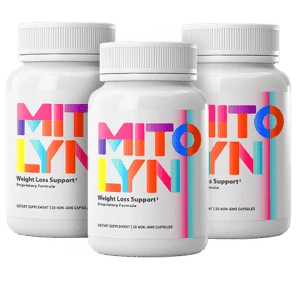
Mitolyn – Unlock Your Metabolic Power
Mitolyn fits this article better than generic fat-loss language because its positioning is centered on metabolic flexibility, daily energy, and how efficiently the body handles fuel over time.
Why it connects to this article: It matches readers who feel the real issue is weaker energy handling, less flexible fuel use, and a body that no longer feels as responsive as it used to.
100% SATISFACTION - 90-DAY MONEY BACK GUARANTEE.
Pros
- Strong metabolism-oriented positioning
- Direct fit for after-30 readers
- Premium product narrative
Cons
- Still requires realistic expectations
- Not a substitute for routine improvements
- Should be compared in context
Best for readers who feel their body no longer uses energy as efficiently and want a metabolism-first product path rather than broad “fat burner” framing.
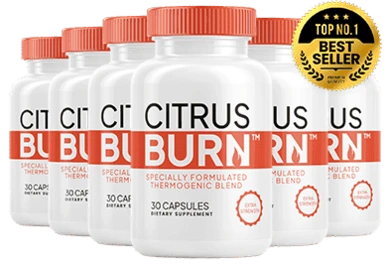
Citrus Burn – Burn More. Crave Less.
Citrus Burn is a cleaner fit for readers whose metabolism concerns are tied not only to energy output, but also to cravings, appetite rhythm, and daily control.
Why it fits
Good for readers who associate slower progress with weaker appetite control and a metabolism that no longer feels steady throughout the day.
Best match
Readers who want a metabolism-support angle but still care about cravings and day-to-day consistency.
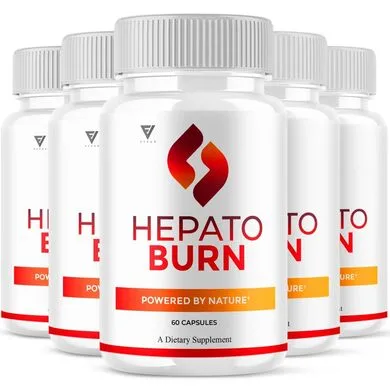
HepatoBurn – Advanced Liver & Fat Support
HepatoBurn speaks to readers who think their challenge is not just calorie burn, but a broader metabolic environment that feels less efficient than before.
Best for readers who want a more expanded metabolic-support narrative instead of only chasing a sharper “fat-burning” label.
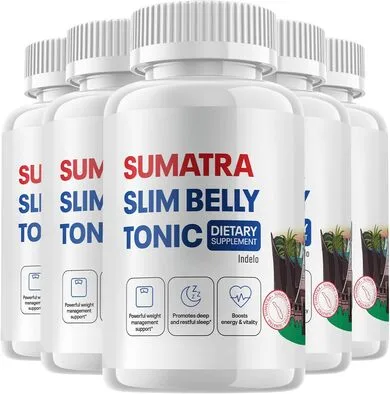
Sumatra Tonic – Top Rated Weight Loss 2026
Sumatra Tonic is a more natural fit when readers feel their metabolism concerns are tied to poor recovery, nighttime routine, and the feeling that sleep is undermining progress.
Best for readers who do not want a purely daytime metabolism product and prefer a support path linked to sleep quality and overnight routine consistency.
Choose the metabolism path that actually matches your situation
If this article reflects what you have been experiencing, the smartest move is usually simple: choose the product path that best matches your real issue, whether that is metabolic flexibility, cravings, broader metabolic support, or sleep-linked recovery.
The Practical Takeaway
Metabolism does not suddenly stop working after 30, but it often becomes less forgiving because the body is dealing with multiple subtle changes at once. That is why many adults feel they are doing roughly the same things while seeing weaker progress in return.
The most useful response is usually not more hype. It is better alignment. For some readers, that means choosing a metabolism-flexibility product like Mitolyn. For others, it means a cravings-and-metabolism route like Citrus Burn, or a more sleep-linked metabolism path like Sumatra Tonic.
Frequently Asked Questions
Final takeaway
After 30, metabolism often feels less responsive because the body is managing multiple subtle pressures at once. Better decisions usually start with better language and a support path that reflects what is really happening, instead of forcing every reader into the same generic fat-loss frame.
Editorial Note: Some links on this page may earn us a commission at no extra cost to you.
Our reviews remain independent and evidence-based.