Where You Buy Supplements Matters More Than You Think
The digital health space has expanded rapidly over the past decade. What was once limited to specialized publications and medical sources has now spread across thousands of websites covering every imaginable niche. From technology blogs to finance portals, supplement-related content is appearing in places that were never designed to guide health decisions.
This shift has created a subtle but serious problem: not every recommendation is backed by expertise. While the accessibility of information has improved, the reliability of that information has become increasingly inconsistent. For consumers, this means one critical truth is often overlooked — when it comes to health products, the credibility of the source is just as important as the product itself.
This is not about marketing. It is about safety, accountability, and informed decision-making.
The Rise of Generic Websites Promoting Health Products
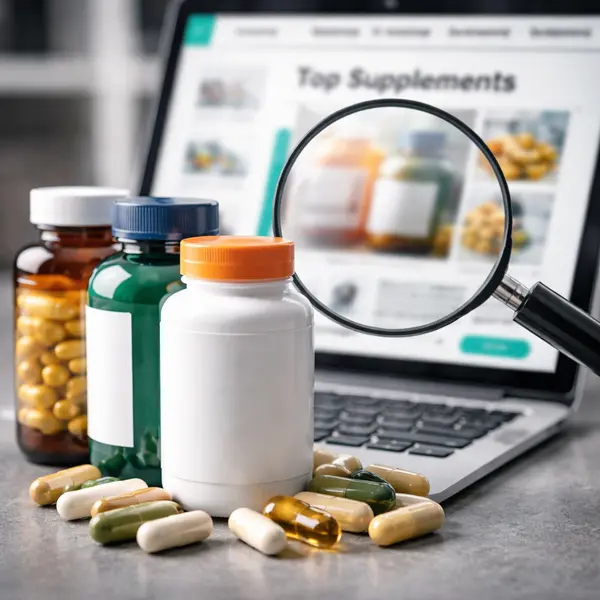
One of the most noticeable trends in recent years is the emergence of generic or unrelated websites publishing supplement content. Platforms originally focused on topics like finance, software, or general news are now producing “reviews,” rankings, and recommendations for health products.
This raises an important question: why is this site recommending health products?
Health and nutrition are complex fields that require subject matter expertise, consistent research standards, and a clear understanding of safety considerations. When a website without a history in this space suddenly begins publishing supplement-related content, it often lacks the depth, methodology, and accountability expected in health-focused publishing.
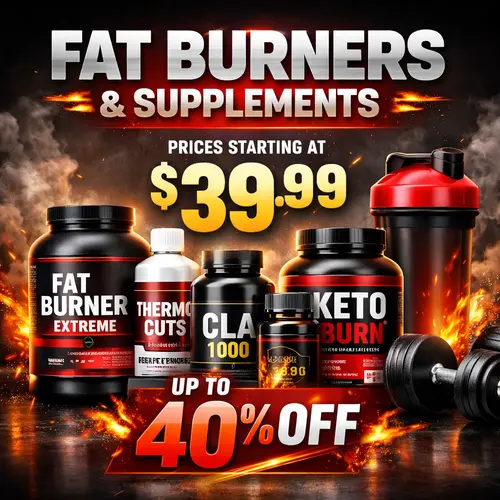
In many cases, these pages are not designed to inform — they are designed to convert. Some websites don’t review supplements — they just sell them, using the appearance of editorial content as a surface layer.
5 Warning Signs You Should Never Ignore
1. Websites Outside the Health Niche Recommending Supplements
If a website primarily covers unrelated topics but suddenly features supplement recommendations, this is a clear signal to proceed with caution. Topical authority matters. A platform without a consistent focus on health lacks the foundation needed to evaluate products responsibly.
This is not about gatekeeping — it is about relevance. Health decisions should not be driven by anonymous pages operating outside their area of expertise.
2. Lack of Clear Methodology or Evaluation Criteria
Credible editorial content explains how conclusions are reached. This includes evaluation criteria, testing processes, and the factors considered in ranking or recommending products.
When a page presents a list of “best supplements” without explaining how those products were assessed, the recommendation becomes unverifiable. Without methodology, there is no accountability — only opinion presented as fact.
3. Suspicious Redirects or Changing Domains During Checkout
Another major red flag appears when users click on a product link and are redirected through multiple domains, sometimes ending on unfamiliar or unrelated websites.
This behavior introduces uncertainty about where the product is actually coming from. Each additional redirect increases the risk of encountering unauthorized sellers, altered products, or unclear fulfillment channels.
In the supplement industry, the chain of custody matters. If that chain is unclear, so is the product’s integrity.
4. No Transparency About Product Origin, Storage, or Distribution
Supplements are sensitive to environmental conditions such as temperature, humidity, and handling. Yet many websites fail to provide even basic information about how products are stored, shipped, or sourced.
This lack of transparency creates a hidden risk. A product may appear legitimate on the surface, but without clear information about its journey from production to delivery, its quality cannot be guaranteed.
5. Pages Built Purely for Sales
Pages structured as generic “top 10” lists with minimal explanation, repetitive language, and uniform praise are often optimized for conversion rather than education.
These pages typically lack depth, critical analysis, or any discussion of limitations. They present certainty where nuance should exist, and they rarely acknowledge potential downsides or uncertainties.
In these cases, the content is not guiding the user — it is directing them.
Why This Is a Real Risk — Not Just Marketing
It is easy to assume that misleading supplement content is simply a marketing issue. In reality, the implications go far beyond that.
Supplements directly affect the body. Their safety depends on multiple factors, including:
- Ingredient quality and authenticity
- Manufacturing standards
- Storage conditions during transit
- Handling and distribution practices
When consumers rely on unreliable sources, they are not just risking a poor purchase decision — they are potentially exposing themselves to compromised products.
This is why source credibility is not optional. It is a fundamental part of product safety.
What a Trustworthy Source Looks Like
In an environment filled with mixed signals, identifying reliable sources becomes essential. While no system is perfect, there are clear indicators of editorial integrity.
A trustworthy source typically demonstrates:
- Niche expertise — a consistent focus on health, wellness, or nutrition topics
- Editorial consistency — a history of related content, not isolated or sudden coverage
- Transparent evaluation criteria — clear explanations of how products are reviewed or compared
- Balanced perspective — acknowledgment of limitations, uncertainties, and risks
- Safety awareness — attention to sourcing, storage, and distribution factors
These elements do not guarantee perfection, but they signal a commitment to informing rather than influencing.
Final Thought: Your Health Deserves a Better Standard
The accessibility of online information has empowered consumers, but it has also introduced new responsibilities. Not all content is created with the same intent or level of care.
When it comes to supplements, the stakes are higher than convenience or price. Your health is directly involved, and the decisions you make are only as strong as the information behind them.
Before trusting any recommendation, take a step back and evaluate the source. Ask simple but critical questions: Who is providing this information? Why are they providing it? What expertise supports it?
Your health deserves more than quick answers and generic lists. It deserves scrutiny, transparency, and a higher standard of trust.
The bottom line
The growing volume of supplement content online has made one thing increasingly clear: access to information does not guarantee access to reliable guidance. As more websites enter the health space without relevant expertise, the burden of evaluation shifts to the reader.
This is not simply a matter of preference — it is a matter of safety. When the source lacks credibility, every recommendation becomes uncertain, regardless of how persuasive or well-presented it may appear.
The most effective approach is not to look for faster answers, but for better standards. Question the source, examine the intent, and prioritize transparency over convenience. For readers who want to continue exploring within a structured and focused environment, the BuyFatBurners shop and its supporting editorial guides can serve as a continuation point for research — not as a shortcut for decision-making.
Editorial Note: Some links on this page may earn us a commission at no extra cost to you.
Our reviews remain independent and evidence-based.