
Botanical vs. Synthetic
The Toxicology and Efficacy of Metabolic Stimulants
Within modern nutritional toxicology, the discussion surrounding Natural vs Synthetic Fat Burners Safety has evolved from marketing preference to a clinically relevant inquiry. The origin of a compound — botanical or synthetic — carries meaningful implications for pharmacokinetics, safety margins, and metabolic response.
This article examines the toxicological and physiological distinctions between plant-derived stimulants and laboratory-synthesized compounds, focusing on evidence derived from peer-reviewed research rather than anecdotal or commercial narratives.
I. Defining Botanical and Synthetic Stimulants
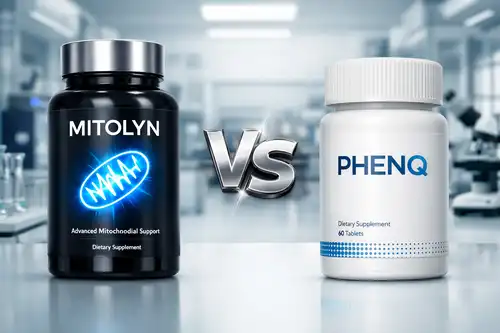
Fig. 1 — Conceptual distinction between botanical and synthetic stimulant sources.
Botanical stimulants are compounds extracted from plant sources, often existing as complex matrices that include secondary metabolites, polyphenols, and buffering agents that influence absorption and metabolism.
Synthetic stimulants, by contrast, are typically isolated molecules engineered for specific receptor interactions. While this precision can enhance potency, it may also narrow safety margins and increase the likelihood of dose-dependent adverse effects.
II. Toxicological Profiles and Safety Margins
Fig. 2 — Relative safety margin comparison across stimulant classes.
Toxicological evaluations indicate that botanical compounds often exhibit broader safety windows due to slower absorption rates, metabolic modulation by co-occurring phytochemicals, and reduced peak plasma concentrations.
Synthetic stimulants, while effective at low doses, frequently demonstrate steeper dose-response curves. This increases the risk of overstimulation, cardiovascular strain, and neuroendocrine disruption when dosing precision is compromised.
Safety assessments therefore prioritize not only acute toxicity, but also cumulative exposure, receptor desensitization, and stress-axis activation over time.

All indexed platforms follow the CSS-2026-N1 protocol for supply chain integrity.
III. Comparative Efficacy and Metabolic Outcomes
From an efficacy standpoint, both botanical and synthetic stimulants demonstrate the capacity to influence thermogenesis and energy expenditure. However, clinical outcomes differ substantially when sustainability and tolerability are considered.
Botanical compounds tend to support gradual metabolic activation, preserving insulin sensitivity and minimizing rebound effects. Synthetic compounds may yield more immediate responses, but often require cycling or strict limitation to avoid adaptive resistance.
Efficacy, therefore, cannot be evaluated in isolation from safety. Long-term metabolic benefit is contingent upon physiological compatibility, not maximal stimulation.
IV. Translating Toxicology Into Practical Decision-Making
Selecting between botanical and synthetic stimulants requires individualized consideration of metabolic health, stimulant tolerance, cardiovascular risk factors, and lifestyle demands.
Evidence-based implementation emphasizes conservative dosing, continuous bio-feedback monitoring, and exclusive reliance on formulations supported by transparent toxicological documentation.
Editorial Note: Some links on this page may earn us a commission at no extra cost to you.
Our reviews remain independent and evidence-based.