Metabolic Support • Mitochondrial Health
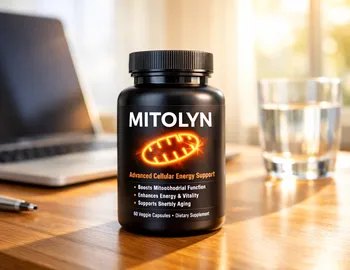
Mitolyn: Botanical Metabolic Support Through Cellular Energy Pathways
Modern weight-management science increasingly focuses on metabolic efficiency rather than simple calorie restriction. One of the most studied biological components involved in energy metabolism is the mitochondria, often referred to as the “energy centers” of the cell. Many metabolic processes involved in energy utilization occur in these cellular structures, which is why nutritional strategies that support mitochondrial health have become a major area of research in metabolic science.
- PositioningStimulant-free support
- FocusCellular energy & resilience
- CategoryBotanical antioxidants & adaptogens
Note: Always verify availability and policies on the official page.
Mitolyn is positioned within this newer category of metabolic support supplements. Instead of relying heavily on stimulant-based thermogenesis, the formula focuses on antioxidant-rich botanicals and adaptogenic compounds commonly associated with cellular energy support and metabolic resilience.
Manufacturing Standards and Product Integrity
According to the manufacturer, Mitolyn is produced in a GMP-certified facility that follows U.S. manufacturing guidelines for dietary supplements. Facilities operating under Good Manufacturing Practices (GMP) must follow strict quality control procedures for ingredient sourcing, purity testing, and production consistency.
Formula Overview: Botanical Metabolic Support
The formulation behind Mitolyn is based on a blend of botanical compounds and antioxidant nutrients commonly studied in metabolic and cellular health research. Key ingredients disclosed by the manufacturer include:
For example, research examining maqui berry suggests its polyphenols may influence metabolic pathways related to fat oxidation and energy metabolism in experimental models [2]. Similarly, Rhodiola rosea has been investigated for its potential role in improving fatigue resistance and stress adaptation, which can indirectly support consistent metabolic activity during dieting or training.
Check Official AvailabilityScientific Context: Adaptogens and Cellular Energy
Adaptogenic plants such as Rhodiola and Schisandra have been studied for their influence on stress physiology, mitochondrial signaling, and antioxidant protection. These mechanisms are relevant because chronic stress and oxidative damage can influence metabolic regulation.
Experimental research on Schisandrin C, a compound found in Schisandra, suggests potential interactions with cellular pathways related to mitochondrial function and oxidative balance in laboratory models. While such findings are preliminary and not equivalent to direct fat-loss outcomes, they illustrate why adaptogenic botanicals continue to attract scientific interest in metabolic health research.
In practical terms, formulas like Mitolyn are best viewed as support tools within a broader lifestyle strategy that includes nutrition, movement, sleep quality, and metabolic health management.
Learn More About MitolynReaders who want to compare verified metabolic support supplements and ingredient research can explore the curated analysis at BuyFatBurners.com . This directory aggregates formulations with transparent ingredient disclosures and manufacturing standards to support better consumer evaluation.
References
Primary sources: PMC / PubMed- Antioxidant Properties of Maqui Berry Extract (Aristotelia chilensis) . PMC.
- Lyophilized Maqui (Aristotelia chilensis) Berry Induces Browning in Subcutaneous White Adipose Tissue . PMC.
- Randomized placebo-controlled trial of Rhodiola rosea extract on stress-induced fatigue . PubMed.
- Schisandrin C enhances mitochondrial biogenesis and autophagy in skeletal muscle cells . PubMed.
Editorial Note: Some links on this page may earn us a commission at no extra cost to you.
Our reviews remain independent and evidence-based.