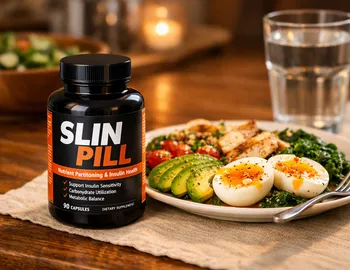

The Role of Hormones in Fat Loss (Insulin, Cortisol & Thyroid)
Fat loss is not only about calories. Hormones help shape whether the body stores energy, burns it efficiently, or makes progress feel slower than it should.
That is why readers dealing with cravings, stubborn belly fat, stress-related weight gain, or a slower-feeling metabolism often begin looking beyond diet alone and toward more complete metabolic support.
The classic “calories in versus calories out” model still matters, but hormones strongly influence how that equation works in real life. They affect hunger, fat storage, cravings, energy expenditure, and how efficiently the body uses both carbohydrates and stored fat. When these signals are not working in your favor, progress can feel much slower even when effort is high.
This helps explain why some readers feel as if they are doing everything right while still struggling with body composition, energy stability, or stubborn fat. In many cases, the problem is not simply a lack of discipline. It is that the body is being nudged toward higher appetite, slower fuel use, or a more storage-oriented internal environment.
Once readers recognize that possibility, they often begin shifting from basic diet education into more solution-aware behavior. That may include comparing metabolism-support options on BuyFatBurners Shop or exploring a more direct option like Mitolyn.
Why hormone-driven fat loss resistance gets attention
Many people do not struggle with fat loss because they lack motivation. They struggle because the body may be pushing them toward stronger cravings, higher stress eating, lower energy expenditure, or slower metabolic efficiency. Hormones play an important role in these patterns, which is why the subject receives so much attention in modern weight-management discussions.
Readers often recognize the pattern before they understand the biology. They notice stubborn abdominal fat, a harder time controlling appetite, more fatigue during dieting, or the sense that their metabolism is not responding the way they expect. Those experiences naturally lead to interest in strategies that support a better fat-loss environment rather than relying on restriction alone.
In commercial terms, this is also the point where a user becomes more likely to engage with a curated product comparison page, because they are no longer looking for generic information. They are looking for a practical next step.
Insulin: the storage regulator
Insulin is produced by the pancreas and helps regulate blood glucose. In fat-loss conversations, its importance comes from the fact that it influences whether the body is more likely to store energy or access stored fuel. That is one reason insulin is often central to discussions about body composition, appetite, and metabolic flexibility.
When insulin remains elevated too often, or when insulin resistance develops, the body may spend more time in a storage-oriented state and less time efficiently mobilizing fat. This can also coincide with less stable energy, stronger hunger, and a more frustrating dieting experience.
Storage effect
Frequent insulin spikes and poor metabolic control may make fat loss feel less efficient over time.
Appetite and resistance
Insulin resistance is often associated with stronger hunger, energy swings, and a harder time managing body composition.
Readers concerned about insulin-related fat gain often begin looking for support that fits better metabolic efficiency, cleaner eating patterns, more stable energy handling, and better appetite control. That is part of why many move naturally from educational content into product comparison behavior.
Cortisol: the stress hormone
Cortisol is released in response to stress. In healthy rhythms it serves useful functions, but when stress becomes chronic, fat loss can become much more frustrating. Elevated cortisol is often associated with a pattern of higher appetite, poorer recovery, lower sleep quality, and a greater tendency toward abdominal fat accumulation.
This is one reason stress-related weight gain feels so discouraging. The individual may be trying to diet more aggressively while the body is simultaneously being pulled toward comfort eating, fatigue, and metabolic strain. In those cases, more restriction is not always the answer.
Belly fat tendency
Chronic stress exposure is often linked with greater abdominal fat accumulation, especially when paired with poor sleep.
Cravings and fatigue
Stress-driven cortisol patterns may increase appetite and make consistent fat loss more difficult to maintain.
Readers who identify with stress weight often respond more strongly to a balanced strategy built around recovery, sleep, and metabolism-support positioning than to overly aggressive dieting. That makes this topic especially relevant for softer BOFU transitions into vetted support options.
Thyroid hormones: the metabolic master switch
Thyroid hormones help regulate how quickly the body uses energy. They are closely connected to basal metabolic rate, overall calorie burn, and how energetic or sluggish a person feels on a daily basis. That is why thyroid function is so often discussed in relation to body weight and metabolic pace.
When thyroid activity is lower, the body may burn fewer calories, feel more fatigued, and become more resistant to fat loss. This does not mean every case of slow progress is thyroid-related, but it does explain why readers with a sluggish-metabolism narrative often connect strongly with this topic.
Metabolic speed
Lower thyroid activity can be associated with lower energy expenditure and slower-feeling fat loss.
Fuel processing
Thyroid hormones help shape how the body handles carbohydrates, fats, and proteins across the day.
Readers who worry about a sluggish metabolism are often especially interested in products positioned around energy use, metabolic efficiency, and better fat-loss alignment. That is one reason this topic can transition cleanly into product exploration without forcing the funnel.
When hormones affect fat loss, what should readers do next?
If insulin patterns, chronic stress, or slower metabolic signaling may be part of the problem, the next step is usually not more generic fat-loss advice. It is building a better overall support strategy. That can include better nutrition structure, improved recovery, more stable habits, and for some readers a closer look at products designed around metabolic efficiency and cellular energy.
For readers who want to compare multiple options in one place, BuyFatBurners.com/shop is the most natural next click. It matches the intent of a user who is already problem-aware and increasingly solution-aware, without pushing an overly aggressive sales presentation.
For readers who want a more direct metabolism-support angle, Mitolyn becomes a relevant option because it fits the part of the journey where the reader already understands that hormones and metabolic efficiency may be shaping their results.
Featured option: Mitolyn
Readers exploring insulin, cortisol, and thyroid-related fat loss issues are often not looking for just another generic fat burner. They are usually looking for a product positioned around metabolic efficiency, cellular energy, and better fuel utilization.
That is why Mitolyn can work well inside this article’s funnel. For broader shopping intent or comparison behavior, the BuyFatBurners marketplace remains the better destination.
Ready to support a better fat-loss environment?
If hormones, cravings, stress, or a slower-feeling metabolism sound familiar, the smartest next move is to review verified metabolism-support products and compare the options that best fit your goals.
Visit BuyFatBurners.comFrequently Asked Questions
Final takeaway
Insulin, cortisol, and thyroid hormones can all influence how easy or difficult fat loss feels. For readers who already recognize that pattern, the next step is not more theory. It is finding a better support strategy and moving forward with more confidence.
Editorial Note: Some links on this page may earn us a commission at no extra cost to you.
Our reviews remain independent and evidence-based.