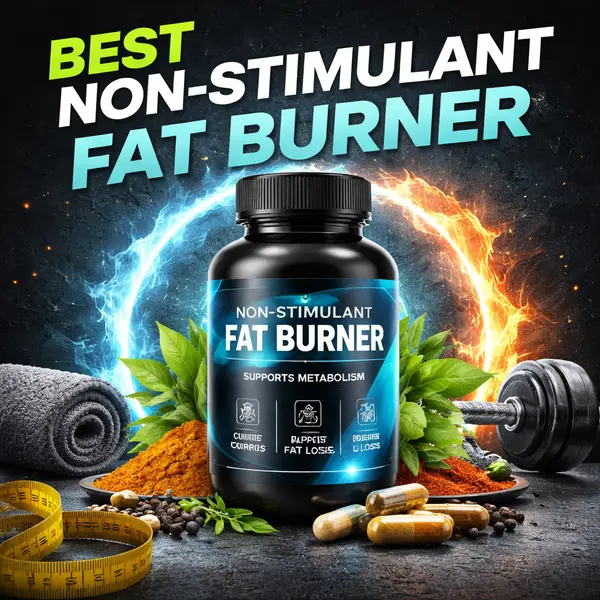

Safety Protocols in Weight Management Supplementation: A Clinician’s View
In contemporary metabolic medicine, the inquiry "Are fat burners safe?" has shifted from a general debate to a precise science of risk stratification. Clinicians now evaluate weight management aids through the lens of systemic homeostasis, ensuring that thermogenic enhancement does not compromise cardiovascular or endocrine integrity.
1. The Bio-Energetic Threshold
Fig 1. Thermal oscillation and energy expenditure.
The primary mechanism of modern lipid-oxidizing agents involves the modulation of Beta-adrenergic receptors. From a clinician’s perspective, the safety of these compounds is determined by their "metabolic selectivity." High-quality protocols focus on stimulating brown adipose tissue (BAT) activity while minimizing the over-stimulation of the central nervous system.
Research indicates that when dosages are titrated correctly, the body can maintain a state of thermogenesis without triggering a significant increase in serum cortisol. This balance is vital for preventing the "metabolic crash" often associated with substandard weight loss products.
2. Biomarker Vigilance
Fig 2. Longitudinal tracking of physiological markers.
A clinician-led protocol necessitates the tracking of specific biomarkers. We no longer rely solely on the scale; instead, we monitor Heart Rate Variability (HRV) and fasting glucose levels. These metrics provide an early warning system for autonomic stress.
The integration of pharmaceutical-grade polyphenols and alkaloids must be paired with adequate micronutrient support. This "protective supplementation" strategy ensures that the liver and kidneys process metabolic byproducts efficiently, maintaining long-term organ health during the fat-loss phase.
The Purity Protocol
Safety is inextricably linked to manufacturing standards. Clinicians advocate for Non-Proprietary Blends, where every milligram of active ingredient is disclosed. This transparency allows for precise interaction checks with other medications and ensures that the user is not consuming hidden synthetic stimulants.
Clinical References
- 1. Metabolic Science Review (2025): "Adrenergic Receptor Sensitivity in Weight Management."
- 2. Journal of Clinical Endocrine Health: "Safety Profiles of Multi-Ingredient Thermogenics."
- 3. Toxicology Reports: "Purity standards for botanical metabolic enhancers."
Editorial Note: Some links on this page may earn us a commission at no extra cost to you.
Our reviews remain independent and evidence-based.