Why Calories Alone Don’t Explain Weight Gain
Weight gain is not always just about eating “too many calories.” The way the body processes food, regulates hunger, and responds to diet quality can matter just as much as the number on a label.
That is why many readers who feel stuck despite calorie control eventually look beyond basic dieting and start paying closer attention to satiety, metabolic efficiency, appetite regulation, and more complete fat-loss support.
The classic “calories in, calories out” model still matters. Energy balance remains part of the foundation of weight management. But in real life, calories do not act in isolation. They interact with hunger hormones, food structure, digestion costs, satiety signals, meal composition, and even the gut environment. That is one reason two diets with similar calorie totals can produce very different experiences and very different levels of adherence.
For some people, a low-quality diet creates a pattern of rebound hunger, poor fullness, and inconsistent energy that makes staying on track far more difficult. Others may discover that improving food quality, protein intake, meal composition, or broader metabolic support changes how sustainable fat loss feels over time. Readers who reach this point are often no longer looking for another lecture about portion sizes. They are trying to understand why progress feels harder than it should.
In practice, that is also why many high-intent readers move from general education into more solution-oriented comparisons, whether that means browsing a curated marketplace like BuyFatBurners Shop or looking more closely at targeted options such as Mitolyn.
Why weight gain is more complicated than a simple number
Many people count calories carefully, reduce portions, and still feel frustrated by cravings, low satiety, inconsistent energy, or slow visible results. That usually happens because the body is responding to more than arithmetic alone. The quality of what you eat can influence how hungry you feel later, how satisfying meals seem, and how easy it is to maintain a consistent routine.
This does not mean calories no longer matter. It means that calorie totals are only one layer of the story. Food choices can shape appetite, digestion, and behavior in ways that make a plan either easier or harder to sustain. In the real world, sustainability is often the difference between a theoretical deficit and one a person can actually maintain.
Once readers understand that reality, the next step often becomes less about eating less at all costs and more about building a better fat-loss environment. That may include improved food selection, stronger satiety strategies, and in some cases more intentional support through products designed around metabolism and appetite goals.
Hormonal response changes everything
Two foods with identical calorie counts can create very different responses in the body. A sugary snack and a protein-rich meal may fit the same calorie target on paper, yet they often lead to very different levels of fullness, energy stability, and desire to keep eating. That difference matters because appetite is one of the biggest drivers of long-term consistency.
Refined foods can be easier to overconsume because they are engineered for palatability while offering weaker satiety. By contrast, meals built around protein, fiber, and more nutrient-dense ingredients often help people feel more satisfied and more stable after eating. In other words, the calorie total may match, but the downstream behavioral effect may not.
Insulin and storage signals
Highly refined foods may contribute to sharper blood-sugar swings and a less stable appetite pattern, making weight control feel harder than expected.
Hunger and rebound eating
Low-satiety foods can leave readers feeling ready to eat again much sooner, even when the original meal looked calorie-controlled.
That is why readers struggling with cravings, appetite swings, and rebound hunger often start exploring more practical support options rather than simply trying to tighten calorie math further. For some, that means comparing metabolism-focused products on BuyFatBurners; for others, it means looking at a more direct option like Mitolyn.
The thermic effect of food is not equal
The body uses energy to digest, absorb, and process food, but the metabolic cost is not identical across all macronutrients and food types. Protein generally requires more energy to digest than highly processed foods, which is one reason meal composition can influence how efficient a fat-loss approach feels in practice.
This does not transform the thermic effect into a magic shortcut, but it does reinforce the idea that not every calorie behaves the same way inside the body. When a diet is centered around more filling, more metabolically demanding foods, the overall experience can become more supportive of real-world progress.
Protein requires more processing
Higher-protein eating patterns often support fullness while also increasing the body’s energy cost of digestion.
Processed foods are often easier to absorb
Refined products can deliver calories efficiently while doing less to support fullness and dietary control.
For readers already frustrated with the limits of basic dieting, this is often the point where more comprehensive support starts to make sense. A curated comparison page can be a natural next step, especially when someone wants to move from theory into products aligned with metabolic support goals.
Nutrient density changes satiety
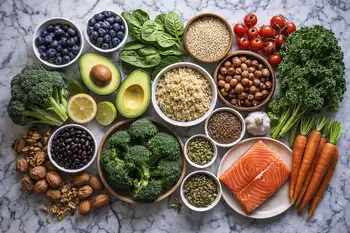
Foods rich in fiber, water, protein, and overall nutrient density typically make it easier to feel satisfied on fewer calories. Hyper-palatable processed foods often do the opposite. They may be convenient and calorie-dense while offering very little resistance to overeating.
This matters because many people interpret constant hunger as a discipline problem when the real issue may be that their food environment is working against them. A diet that feels punishing is hard to maintain, even when it looks technically correct on paper.
Higher-satiety foods
Whole-food patterns often help reduce appetite naturally and make calorie control feel less stressful.
Lower-satiety foods
Ultra-processed foods can make it easier to exceed needs without creating lasting fullness.
Readers who recognize that their diet leaves them hungry all day are often much closer to taking action. That may start with better meal composition, but it frequently continues into comparison-driven shopping behavior as they look for more structured support.
The microbiome may also influence weight regulation
Gut health has become an increasingly important part of modern weight-management conversations. The microbiome may play a role in digestion, appetite signaling, comfort after meals, and how individuals respond to different foods. This helps explain why two people can eat in similar ways and still experience different hunger patterns, bloating, cravings, or body-composition outcomes.
While this is still a more nuanced and evolving area of discussion, it reinforces a broader point: weight regulation is not always explained by calories alone. A reader who understands this is often further along in the buying journey than someone still looking for basic dieting advice.
In commercial terms, this is where educational content can transition naturally into solution-aware behavior. Instead of another generic list of tips, the user may be ready to browse verified metabolism-support options with clearer intent.
If calories are not the full story, what should readers do next?
Once a reader understands that hunger, food quality, digestion, metabolic response, and appetite regulation all influence fat loss, the conversation changes. They are no longer looking for simplistic advice. They are looking for a more complete path forward.
For some, the smartest next move is to compare multiple vetted options in one place. That is exactly why a marketplace like BuyFatBurners.com/shop can work well with this type of article. It serves readers who are already problem-aware and increasingly solution-aware, without forcing them into a hard-sell presentation.
For readers who already know they want a more direct metabolism-support angle, Mitolyn is a natural fit within this narrative because the article has already established that fat-loss frustration is often connected to more than just calorie totals.
Featured option: Mitolyn
Readers drawn to this topic are often dealing with low energy, stubborn fat, weak dietary momentum, or frustration with basic calorie advice. That is why a metabolism-focused product can feel more relevant here than another general-purpose article.
Mitolyn fits this angle because it speaks to readers who are already thinking about metabolic support, energy efficiency, and more strategic fat-loss assistance. For broader comparison shopping, the BuyFatBurners marketplace remains the most natural destination.
Ready to go beyond calorie counting?
If hunger, low satiety, weak metabolic response, or stubborn fat still keep getting in the way, the next step is not more theory. It is comparing more suitable metabolism-support options with confidence.
Visit BuyFatBurners.comFrequently Asked Questions
Final takeaway
Calories matter, but they do not tell the whole story. For readers who already understand that hunger, food quality, digestion, and metabolic response all influence fat loss, the next step is not more generic advice. It is finding a better support strategy and moving forward with more clarity.
Editorial Note: Some links on this page may earn us a commission at no extra cost to you.
Our reviews remain independent and evidence-based.